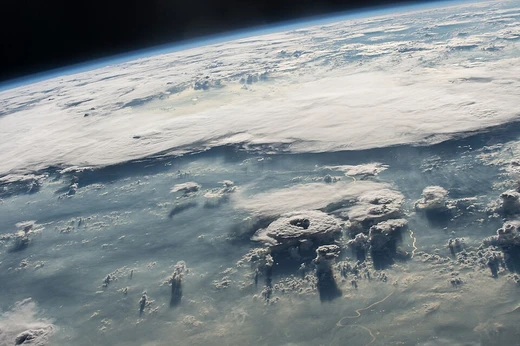
Drought
A recurring moisture deficit with widespread environmental and economic impacts.

Cavaliere grande · CC BY-SA 4.0
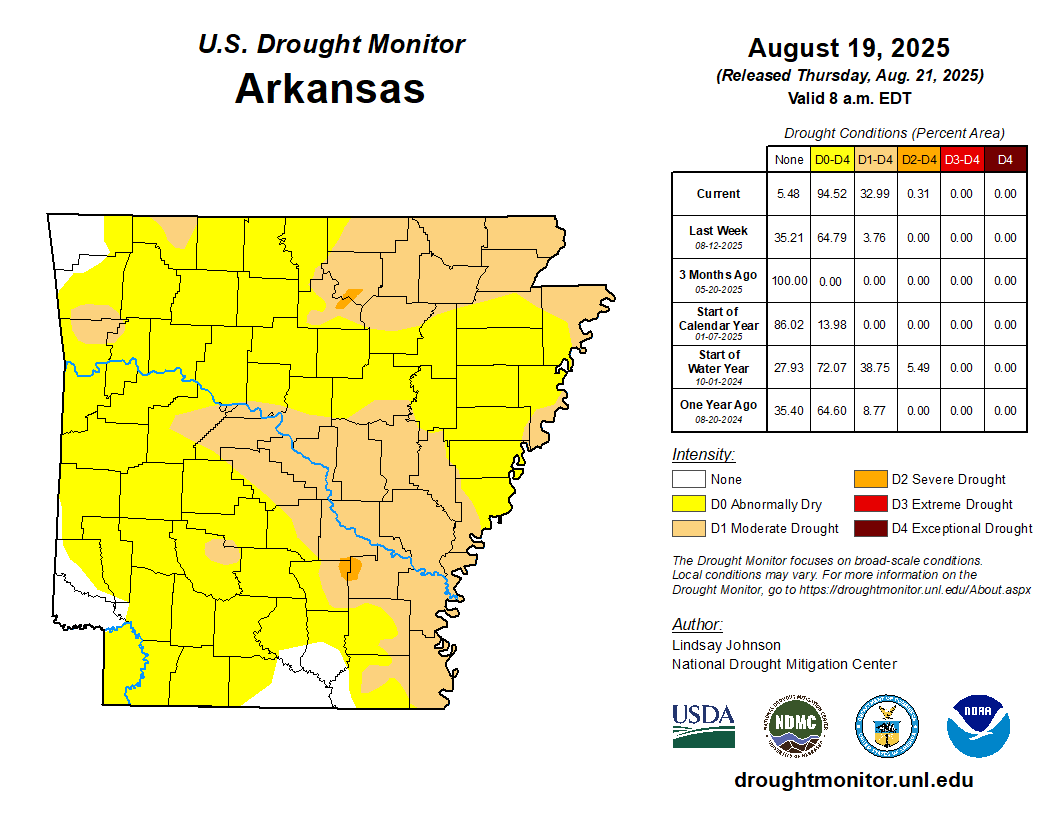
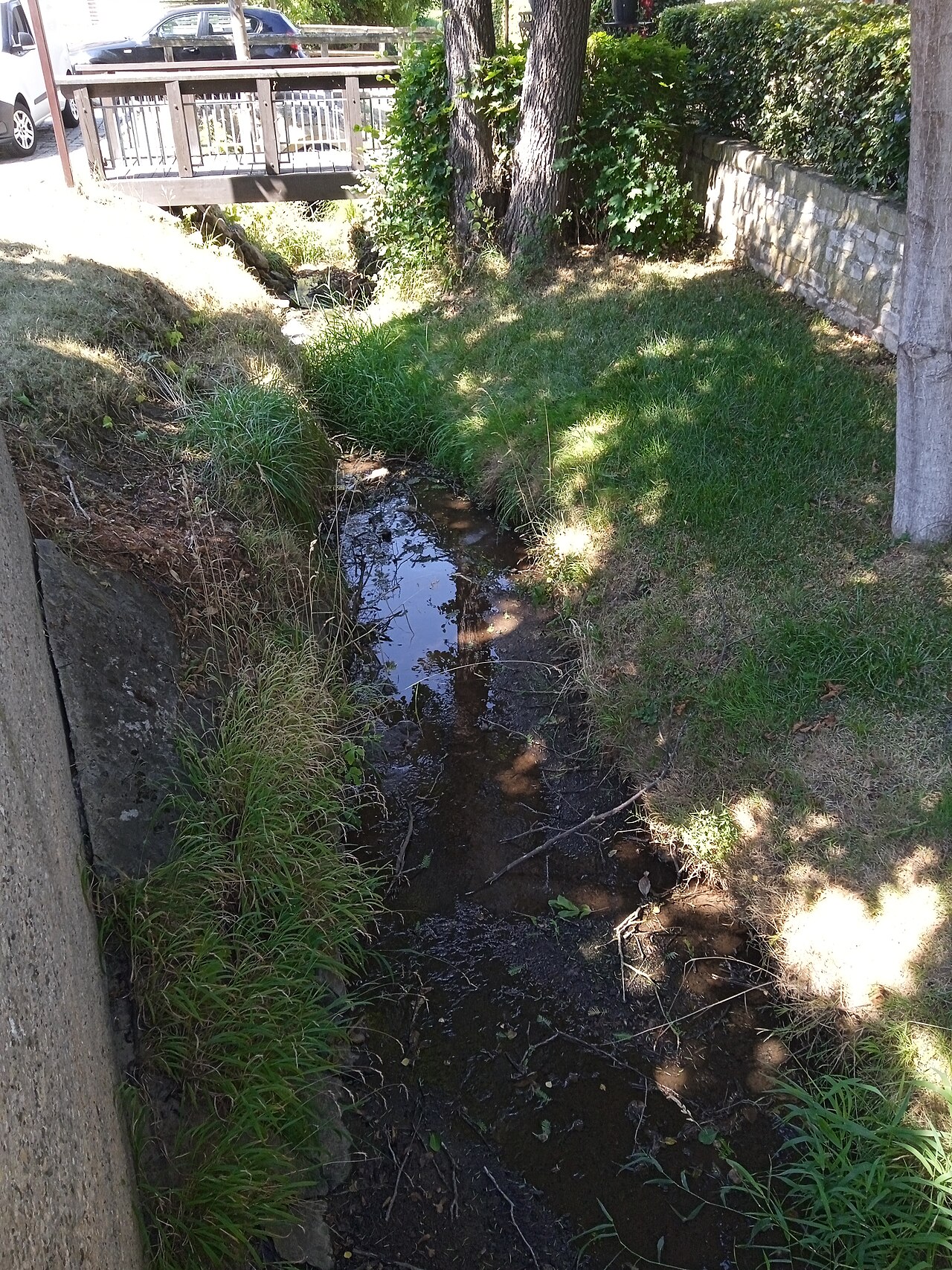
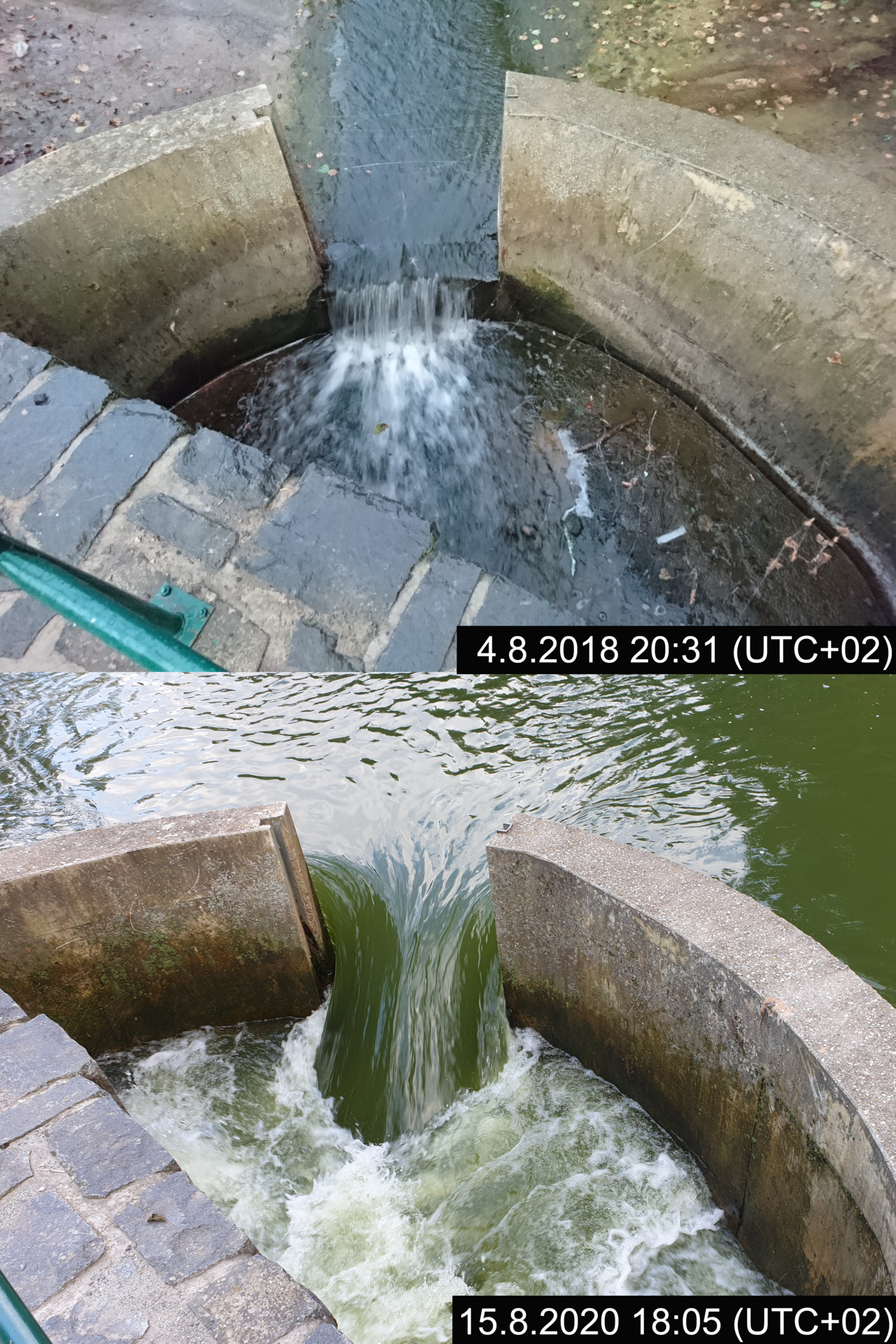
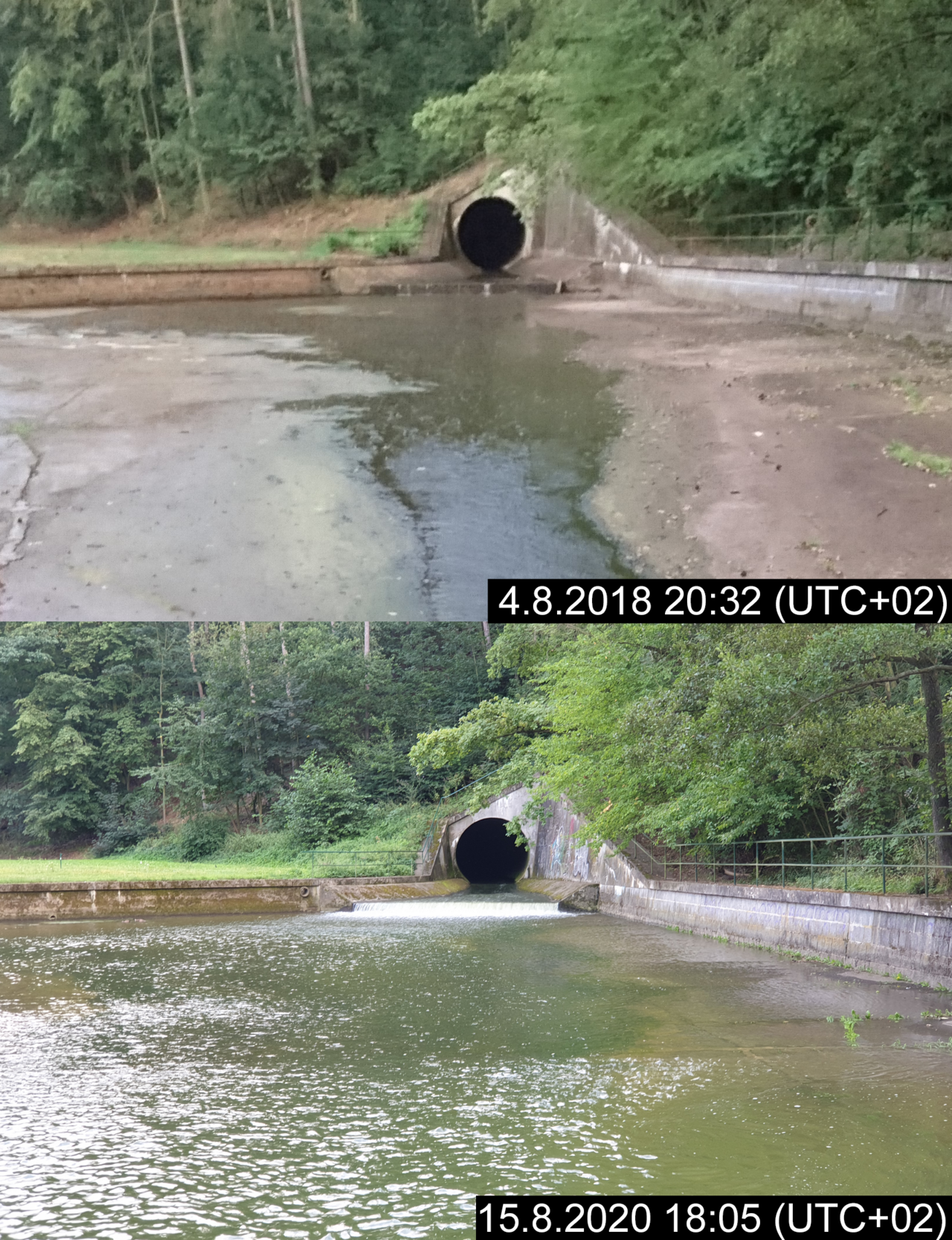
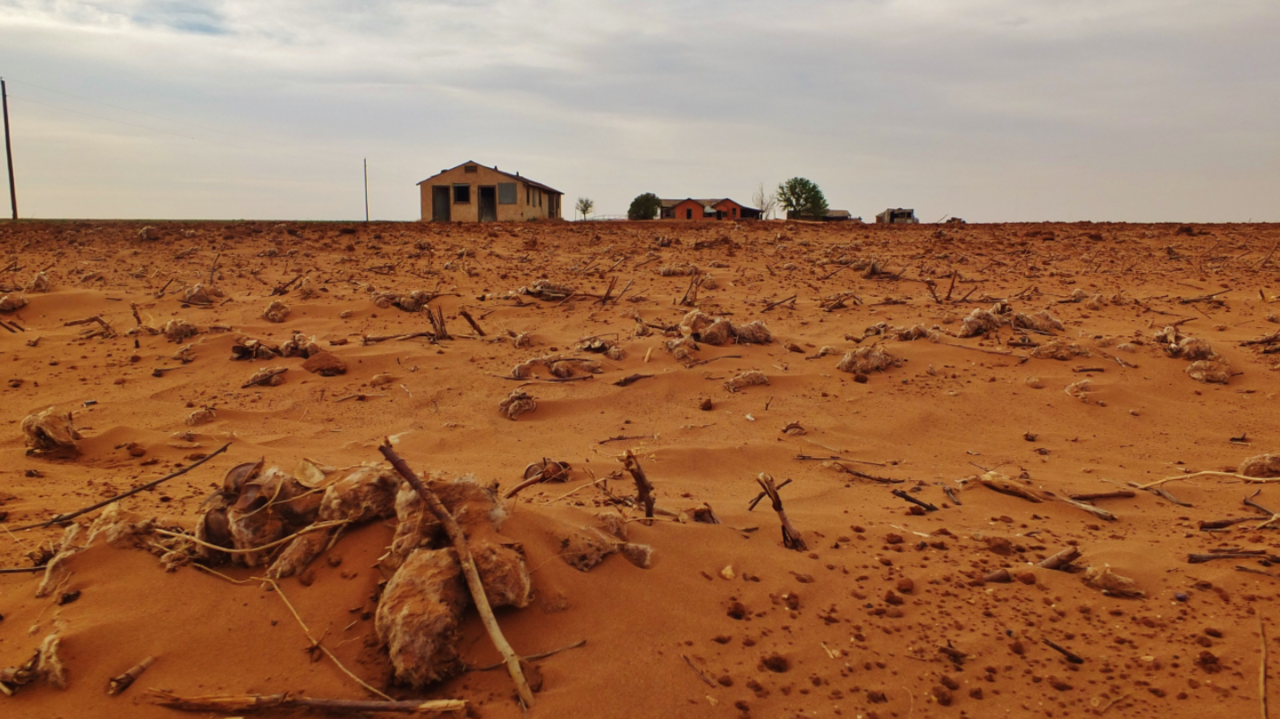
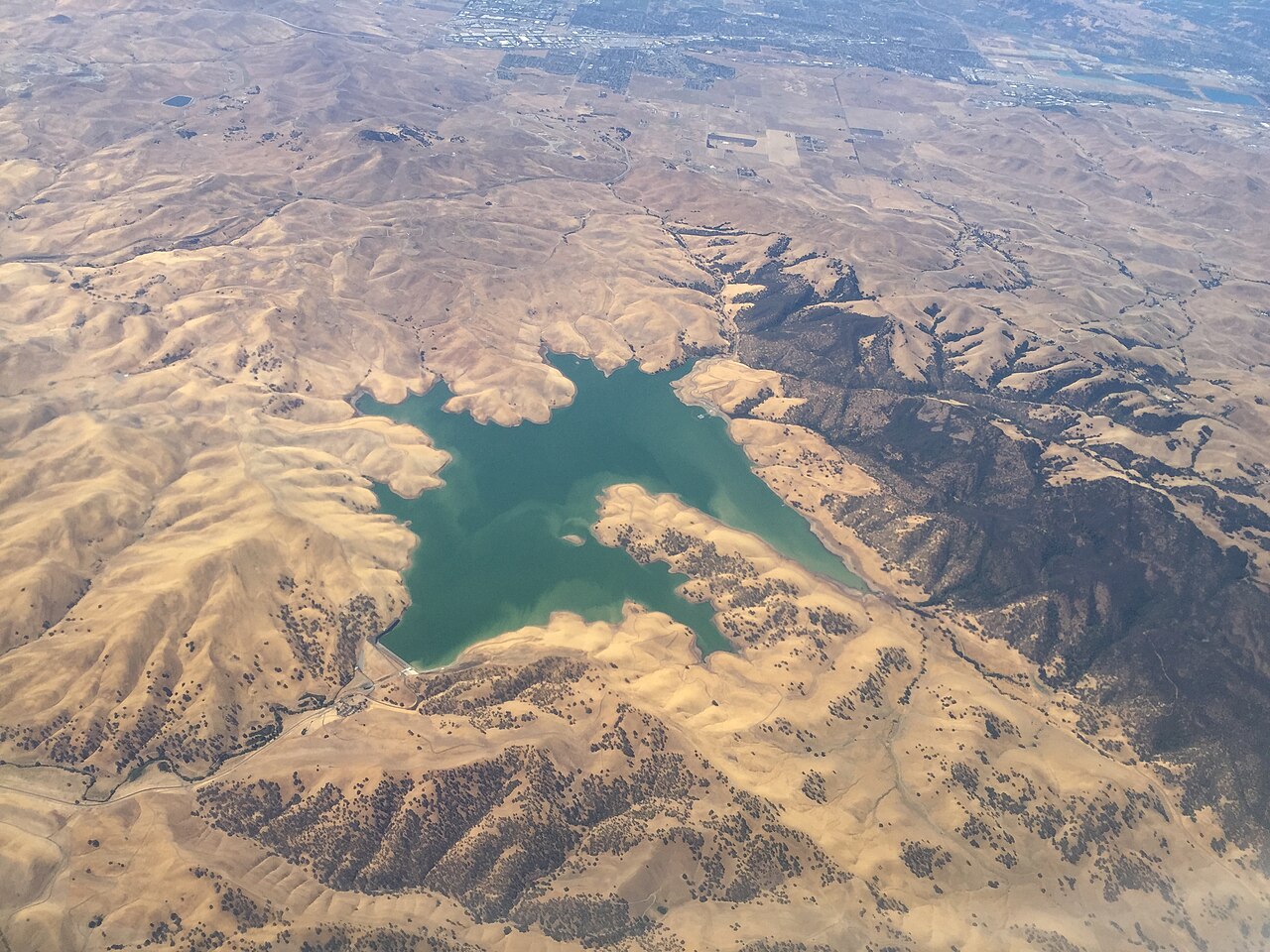
A drought is a period of drier-than-normal conditions that can last for days, months, or years. It is a recurring feature of the climate in most parts of the world, becoming more extreme and less predictable due to climate change, which dendrochronological studies have tracked for centuries. Drought often has large impacts on ecosystems and agriculture, and causes harm to the local economy.
- definition
- Drier than normal conditions
- categories
- Meteorological, hydrological, agricultural/ecological, socioeconomic
- key indices
- Palmer drought index, SPI, SPEI, Keetch-Byram, deciles index
- major effects
- Environmental, economic, social
Lore & Background
Drought is defined by the IPCC Sixth Assessment Report as 'drier than normal conditions,' meaning a moisture deficit relative to the average water availability at a given location and season. The National Integrated Drought Information System defines it as a deficiency of precipitation over an extended period resulting in a water shortage, while the National Weather Service emphasizes adverse impacts on people, animals, or vegetation over a sizeable area.
Reader's Guide
Drought is a complex phenomenon relating to the absence of water, difficult to monitor and define. Its significance lies in its profound effects on ecosystems, agriculture, and human societies. Environmental effects include drying of wetlands, more and larger wildfires, and loss of biodiversity. Economic impacts disrupt agriculture, livestock farming, forestry, public water supplies, river navigation, electric power supply, and human health. Social and health costs include excessive heat waves, high food costs, stress from failed harvests, water scarcity, increased air pollution, and mass migrations. Drought is a recurring feature of the climate, becoming more extreme and less predictable due to climate change. Examples of regions with increased drought risks include the Amazon basin, Australia, the Sahel region, and India. Throughout history, humans have viewed droughts as disasters, either as natural phenomena, influenced by human activity, or as a result of supernatural forces.
Did You Know?
- Drought can last for days, months, or years.
- Heat waves can worsen drought by increasing evapotranspiration, which dries out forests and increases wildfire fuel.
Gallery
Frequently Asked Questions
What is a drought?
A drought is a sustained period in which a region receives significantly less precipitation than its long-term seasonal average. Rather than a single dry week, it represents a cumulative moisture shortfall that builds and deepens over weeks, months, or even years.
What are the different categories of drought?
Meteorologists distinguish four main types: meteorological (a shortfall in rainfall), hydrological (reduced water in rivers, reservoirs, and aquifers), agricultural/ecological (soil moisture too low to sustain plants), and socioeconomic (when water scarcity disrupts supply chains, commerce, and public services).
How do scientists measure and classify drought severity?
Several standardized indices are in common use, including the Palmer Drought Severity Index, the Standardized Precipitation Index (SPI), the Standardized Precipitation Evapotranspiration Index (SPEI), the Keetch-Byram Drought Index, and the deciles index. Each captures a different facet of the moisture deficit across varying time scales.
What are the major real-world impacts of a drought?
Prolonged dry conditions degrade ecosystems, slash crop yields, and strain water-dependent industries, producing cascading economic losses for local and regional economies. Socially, communities face water rationing, food insecurity, and heightened tension over scarce resources.
How does climate change influence drought frequency and intensity?
Rising temperatures accelerate evapotranspiration and shift precipitation timing, making dry spells more extreme and harder to forecast in many parts of the globe. Dendrochronological (tree-ring) records spanning centuries corroborate that recent droughts are trending toward greater severity and less predictability.
More in Meteorology 1-24
Elsewhere in the Meteorology universe
Spotted an error? Know more?
This is a living reference — every entry is fact-audited, and reader corrections feed straight into our audit queue. Suggest an edit · See this site's audit record