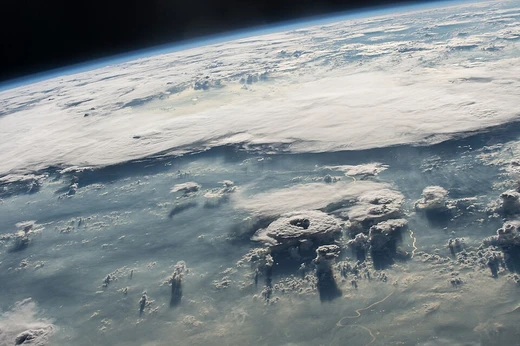
Thunderstorm
A storm producing lightning and thunder from cumulonimbus clouds.

Rubbish computer · CC BY-SA 4.0
A thunderstorm, also known as an electrical storm or a lightning storm, is a storm characterized by the presence of lightning and thunder. Thunderstorms occur in cumulonimbus clouds and are usually accompanied by strong winds, heavy rain, and sometimes snow, sleet, or hail, though some produce little or no precipitation. They can line up as squall lines or develop into severe forms such as supercells, which rotate like cyclones and produce dangerous phenomena including large hail, strong winds, and tornadoes.
- average_lifespan
- Approximately 30 minutes total
Lore & Background
Thunderstorms result from the rapid upward movement of warm, moist air, often along a front or due to other cloud-forcing mechanisms. As the air rises, it cools and condenses, forming a cumulonimbus cloud that can reach heights over 20 kilometers. The release of latent heat during condensation fuels further ascent. Precipitation falls through the cloud, creating downdrafts that spread out at the surface and produce strong winds.
Reader's Guide
Thunderstorms are significant because they are responsible for many severe weather phenomena, including downburst winds, large hailstones, flash flooding, tornadoes, and waterspouts. They can also cause wildfires through cloud-to-ground lightning in dry thunderstorms. Understanding their life cycle—developing, mature, and dissipating stages—helps in forecasting and hazard mitigation. Meteorological indices such as convective available potential energy (CAPE) and lifted index are used to assess potential development. Thunderstorms have been observed on other planets, including Jupiter, Saturn, Neptune, and probably Venus. Past civilizations held various myths about thunderstorms as late as the 18th century.
Did You Know?
- Thunderstorms can produce little or no precipitation at all, known as dry thunderstorms.
- Supercell thunderstorms rotate like cyclones and can sustain their mature stage for several hours.
- The average thunderstorm has a diameter of 24 km (15 mi) and a total lifespan of about 30 minutes.
Gallery
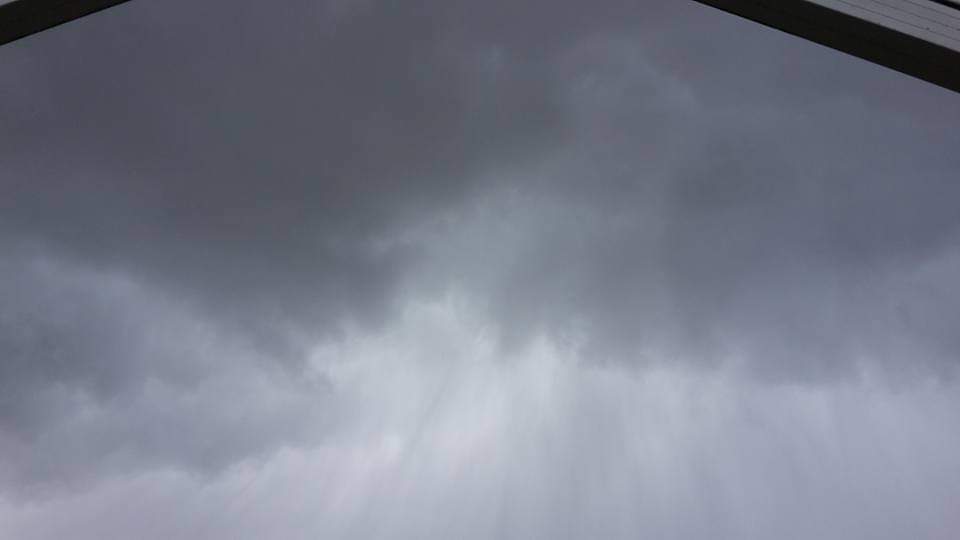
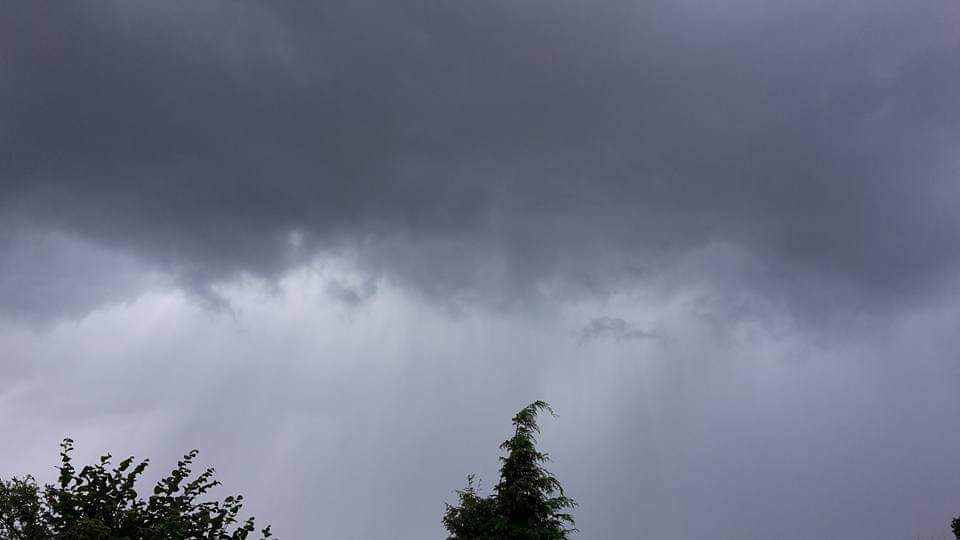
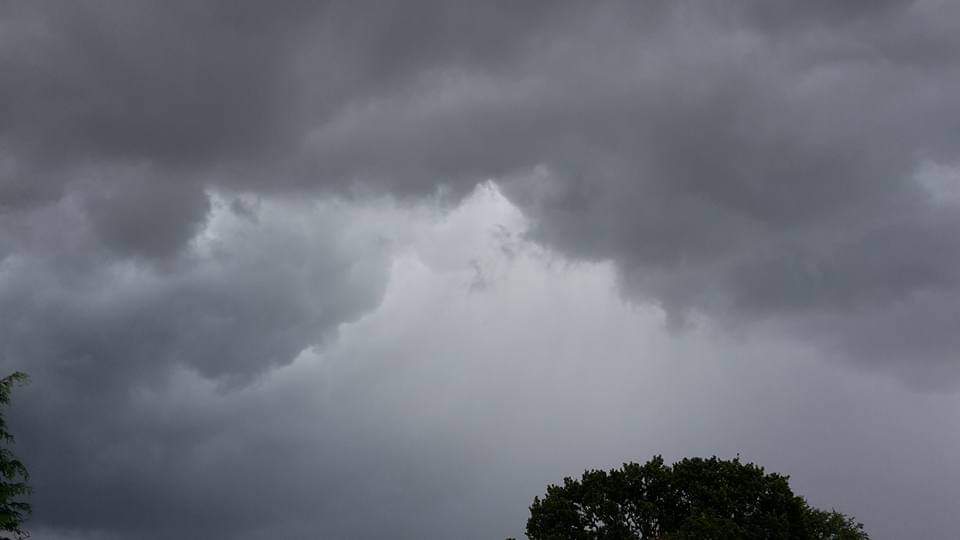
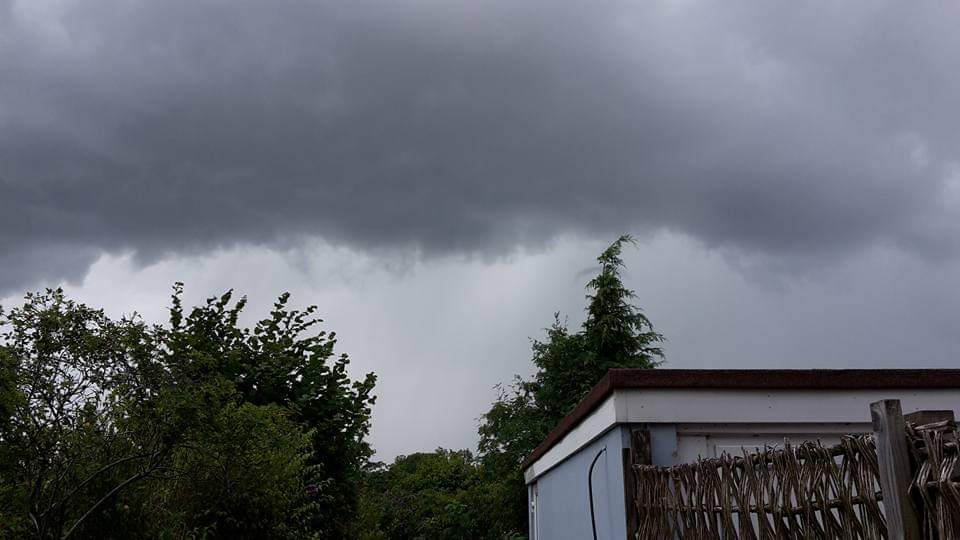
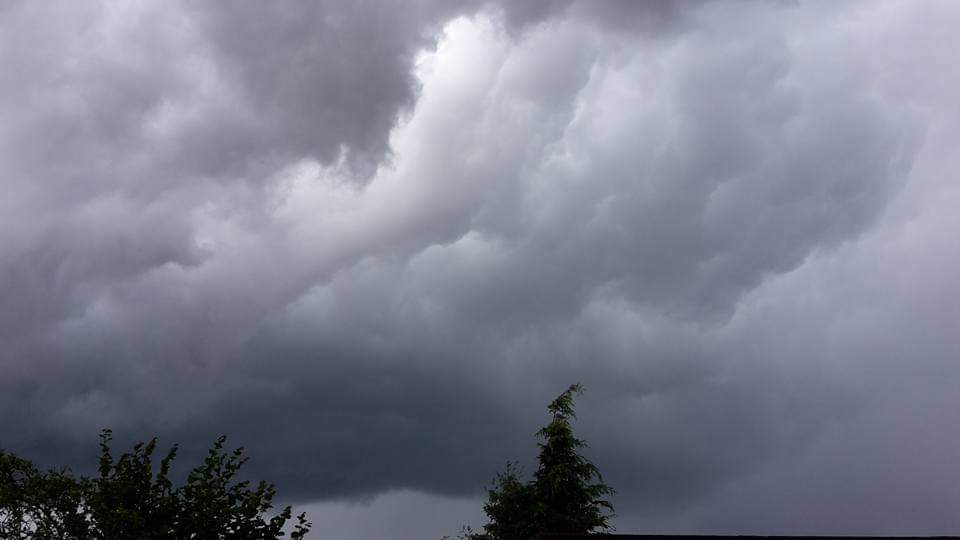
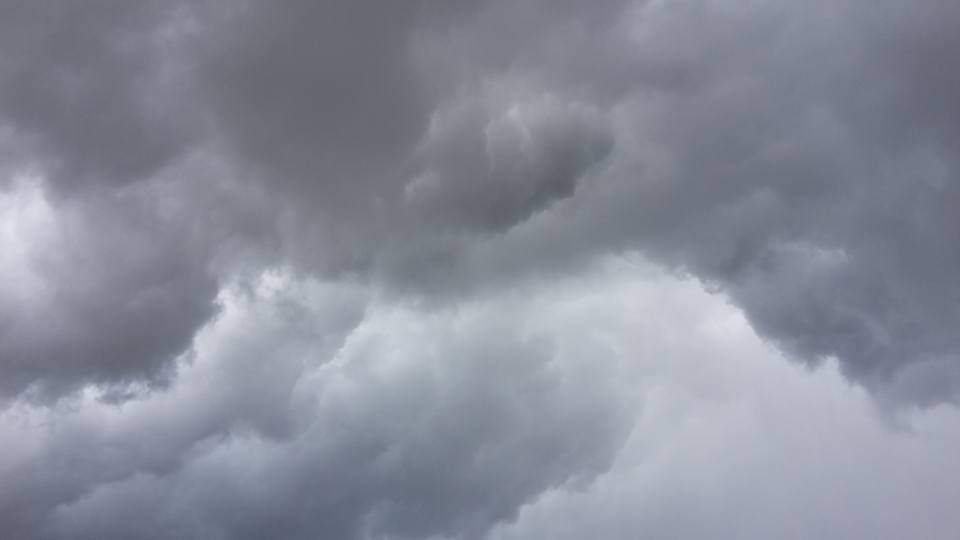
More in Meteorology 25-38
Elsewhere in the Meteorology universe
Spotted an error? Know more?
This is a living reference — every entry is fact-audited, and reader corrections feed straight into our audit queue. Suggest an edit · See this site's audit record