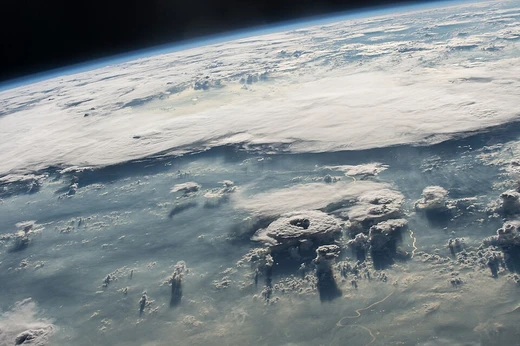
Dust storm
Meteorological phenomenon common in arid and semi-arid regions.

JULIANISME · CC BY-SA 4.0
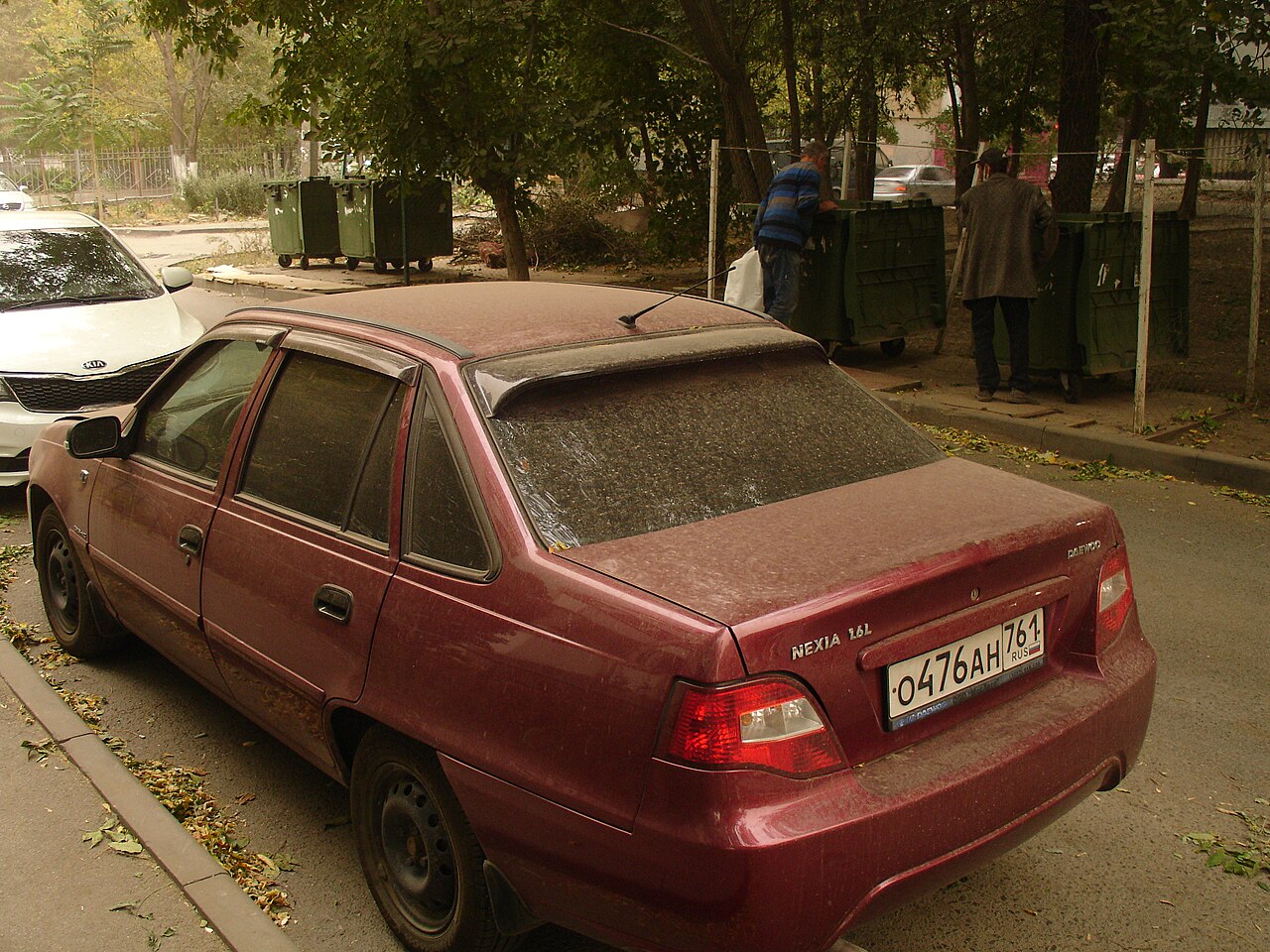
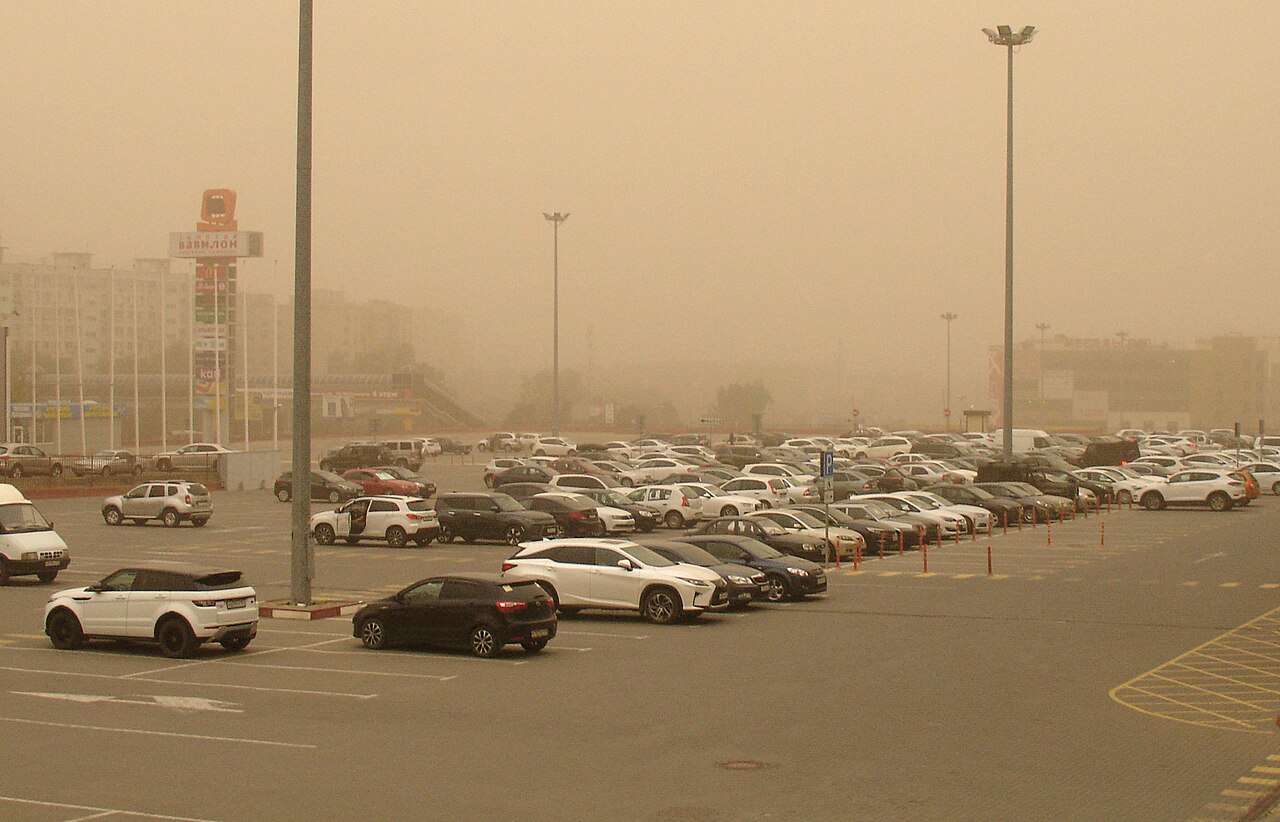
A dust storm, also called a sandstorm, is a meteorological phenomenon common in arid and semi-arid regions. Dust storms arise when a gust front or other strong wind blows loose sand and dirt from a dry surface, transporting fine particles by saltation and suspension. These storms can reduce visibility, disrupt transportation, and pose serious health risks, and over time they can reduce agricultural productivity and contribute to desertification.
- field
- Meteorology
- known_for
- Reducing visibility, disrupting transportation, causing health risks, and contributing to desertification
- primary_regions
- North Africa, Middle East, Central Asia, China
- height_of_wall
- Up to 1.6 km (5,200 ft)
Lore & Background
Dust storms arise when strong winds blow loose sand and dirt from dry surfaces. The process begins with saltation, where sand particles vibrate and move across the surface, loosening smaller dust particles that then travel in suspension. Particles become loosely held mainly due to prolonged drought or arid conditions and high wind speeds, with gust fronts produced by thunderstorm outflows or dry cold fronts.
Reader's Guide
Dust storms have significant environmental and economic impacts. They cause soil loss from drylands, preferentially removing organic matter and nutrient-rich particles, thereby reducing agricultural productivity. The abrasive effect damages young crop plants, and reduced visibility affects aircraft and road transportation. However, dust can also have beneficial effects where it deposits, such as providing mineral nutrients to rainforests and iron to ocean regions. Health impacts include increased symptoms in individuals with asthma, dust pneumonia, silicosis, and keratoconjunctivitis sicca, which can lead to blindness. Dust storms also increase the spread of disease by blowing bacteria and fungus spores into the atmosphere. Poor farming and grazing practices, such as dryland farming and intensive tillage, contribute to the emergence of dust storms, but soil conservation practices may be implemented to control wind erosion.
Did You Know?
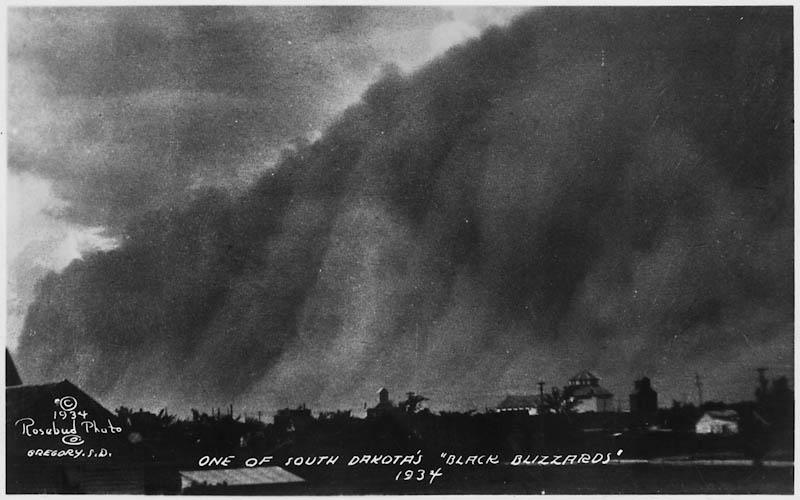
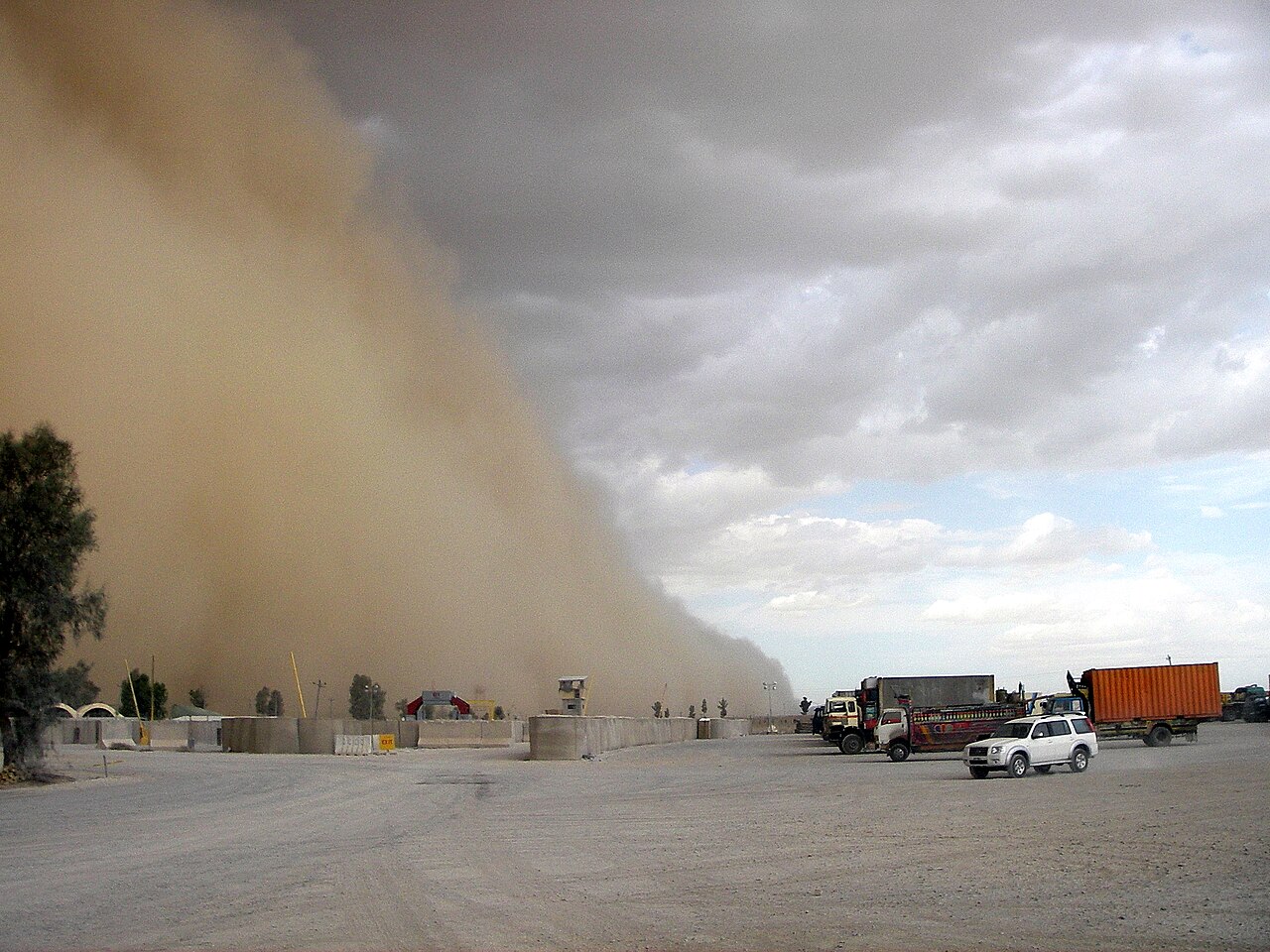
- Dust storms can carry a wall of thick dust as high as 1.6 km (5,200 ft).
- Saharan dust storm frequency has varied over the decades, but widely accepted data does not show a consistent 10-fold increase since the 1950s.
- Dust storms on Mars can extend over larger areas than on Earth, sometimes encircling the planet.
- The term 'sandstorm' is used most often in the Sahara Desert, while 'dust storm' is used when finer particles affect urban areas.
The Physics of Formation
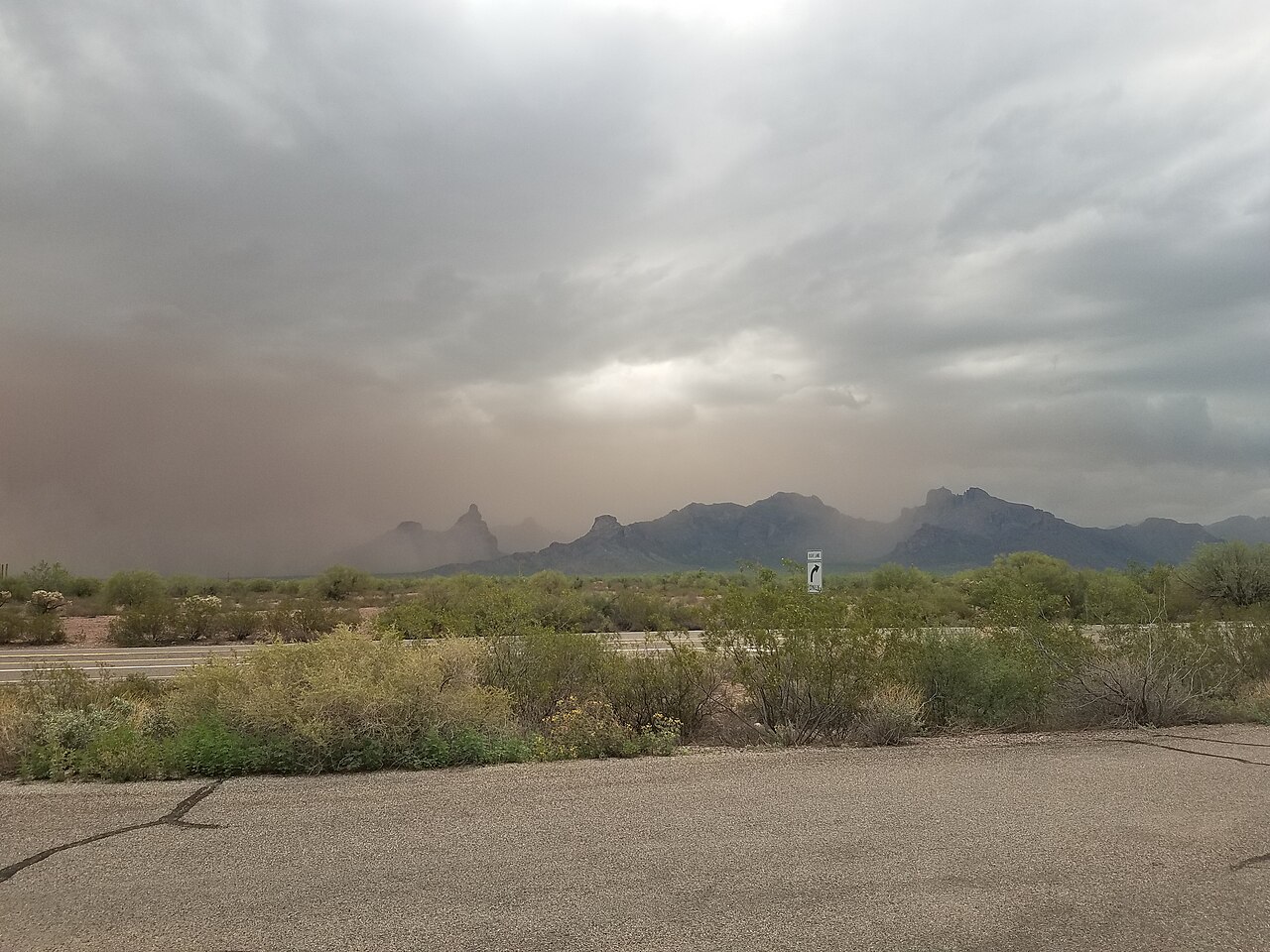
Dust storms begin when strong winds—whether from thunderstorm outflows, dry cold fronts, or broad pressure gradients—strike a dry, loosely held surface. The process unfolds in stages: the first particles vibrate, then begin hopping across the ground in a motion called saltation. Each time a saltating grain slams back down, it knocks free even finer particles that lift into the air and travel in suspension. Drought and arid conditions leave soil vulnerable, while gust fronts from intense thunderstorms or dry cold fronts provide the necessary wind force. In desert settings, the vertical reach of the lifted material depends on atmospheric stability and particle weight—dust can climb as high as 6,000 meters, while sand typically stays lower. A low-lying temperature inversion may confine the debris to a shallow layer, or the atmosphere may allow it to spread across vast altitudes.
Global Sources and Long-Range Transport
The principal terrestrial sources of airborne dust are concentrated in the arid and semi-arid belts of North Africa, the Middle East, Central Asia, and China. The Sahara Desert stands out as a dominant contributor, with the Bodélé Depression and the tri-border region of Mauritania, Mali, and Algeria serving as particularly prolific emission zones. Saharan dust is regularly injected into the Mediterranean atmosphere and can be carried by prevailing winds as far north as central Europe and the British Isles. Locally, storms blowing off the Sahara are called a simoom or simoon, while the haboob is the term for the sandstorms that sweep through the Khartoum region of Sudan, most frequently during summer months. The leading edge of a dust storm can present as a towering wall of thick particulate matter reaching up to 1.6 kilometers in height. These events are not merely local nuisances; they represent a planetary conveyor of soil, reshaping landscapes far from their origin and interacting with atmospheric chemistry across continents.
Health Hazards and Environmental Consequences
The human toll of dust storms is severe and multifaceted. Short-term exposure can trigger immediate respiratory distress, worsening asthma symptoms and lung function in vulnerable individuals. Long-transported dust from both Saharan and Asian sources has been linked to elevated mortality and morbidity, suggesting adverse effects on the circulatory system well beyond the storm's immediate vicinity. Inhaled quantities of fine dust can cause dust pneumonia, while prolonged, unprotected exposure risks silicosis—an incurable condition that, if untreated, progresses to asphyxiation and may also increase the likelihood of lung cancer. The eyes are equally at risk; keratoconjunctivitis sicca, or dry eyes, can develop into permanent blindness without prompt and proper treatment. Beyond individual health, repeated storms strip topsoil, reduce agricultural productivity, and accelerate desertification. In Niger, Chad, northern Nigeria, and Burkina Faso, topsoil loss has become a pressing concern. Dust storms also carry bacteria and fungal spores into the atmosphere, where they interact with urban pollutants and potentially spread disease across vast distances.
Escalation and the Role of Human Activity
The frequency and intensity of dust storms have surged dramatically over recent decades. Saharan dust events have increased roughly tenfold during the half-century following the 1950s. Human land management is a significant amplifier: poor dryland farming practices, intensive tillage, and the absence of cover crops during vulnerable pre-revegetation windows expose soil to erosive winds. Neglect of traditional fallow systems and unsustainable grazing further degrade dryland surfaces. Wildfires add another pathway for dust generation. These practices, combined with prolonged drought, create conditions in which even moderate winds can trigger major storms.
Gallery

Frequently Asked Questions
What is a dust storm?
A dust storm is a weather event in which powerful winds lift loose sand and soil from dry ground into the atmosphere through saltation and suspension. These events are characteristic of arid and semi-arid landscapes where the surface lacks sufficient moisture or vegetation to hold particles in place.
Where do dust storms most often occur?
They are most frequently observed across North Africa, the Middle East, Central Asia, and parts of China, where dry surfaces and strong seasonal winds create ideal conditions for large-scale particle uplift.
What triggers a dust storm to form?
A gust front or other intense wind event is typically the initiating force, dislodging sand and dirt from a parched surface. Once fine particles are airborne, they remain suspended in the column of air, building the storm into a visible, advancing wall.
How tall can the wall of a dust storm reach?
Under extreme conditions the visible dust wall can climb to roughly 1.6 km (about 5,200 ft) above the ground, forming a towering curtain of suspended particulate matter that stretches across the sky.
What are the main dangers and long-term effects of dust storms?
In the short term they slash visibility, disrupt road and air travel, and pose serious respiratory health risks to nearby populations. Over time, repeated events degrade topsoil, lower agricultural yields, and accelerate desertification in the affected regions.
More in Meteorology 1-24
Elsewhere in the Meteorology universe
Spotted an error? Know more?
This is a living reference — every entry is fact-audited, and reader corrections feed straight into our audit queue. Suggest an edit · See this site's audit record