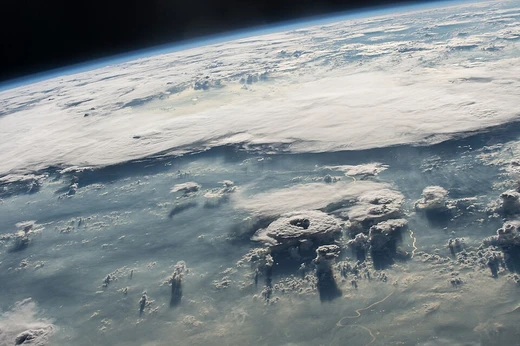
Wet season
The wet season is a period of heavy rainfall in tropical and subtropical regions.

The wet season, also called the rainy season or monsoon season, is the time of year when most of a region's average annual rainfall occurs, lasting at least one month. It is a key climatic phenomenon in tropical and subtropical regions, influencing agriculture, ecosystems, and human activities. The term 'green season' is sometimes used as a euphemism by tourist authorities.
- definition
- Month with average precipitation of 60 mm or more (Köppen classification)
- typical timing
- Warm season or summer in many regions
- primary cause
- Daytime heating and diurnal thunderstorm activity
- associated climates
- Savanna, monsoon, Mediterranean
- key effects
- Improved air and water quality, vegetation growth, increased erosion and disease
Lore & Background
Under the Köppen climate classification, a wet season month is defined as one where average precipitation is 60 millimetres or more. In contrast to tropical rainforests, which have rainfall evenly distributed throughout the year, tropical seasonal forests have distinct dry and rainy months. Some areas with pronounced rainy seasons experience a break in rainfall mid-season when the Intertropical Convergence Zone or monsoon trough moves to higher latitudes. Most places have only one wet season, but areas of the tropics can have two, as the monsoon trough may pass over locations twice per year.
Reader's Guide
The wet season has profound significance for both natural systems and human societies. In tropical areas, it improves air quality, freshens water, and spurs substantial vegetation growth, leading to crop yields later in the season. However, it also brings challenges: rivers overflow, soil nutrients diminish, erosion increases, and the incidence of malaria and dengue rises where high temperatures coincide with rainfall. The wet season is a time of food shortages before crops mature, causing seasonal weight changes in developing countries. Floods can be exacerbated by fires from the previous dry season, which make soils hydrophobic. Governments help manage these risks through flood plain mapping and erosion control outreach. The wet season is known by many local names, such as 'storm season' in Mexico and 'Gudjewg' among First Nations of Northern Australia, reflecting its varied cultural and environmental impacts.
Did You Know?
- The wet season is sometimes called the 'green season' as a euphemism by tourist authorities.
- In the wet season, rainfall mainly occurs in late afternoon and early evening in savanna and monsoon regions.
- The wet season in the Negev Desert of Israel extends from October through May.
- Cows calve at the beginning of the wet season.
More in Meteorology 25-38
Elsewhere in the Meteorology universe
Spotted an error? Know more?
This is a living reference — every entry is fact-audited, and reader corrections feed straight into our audit queue. Suggest an edit · See this site's audit record